
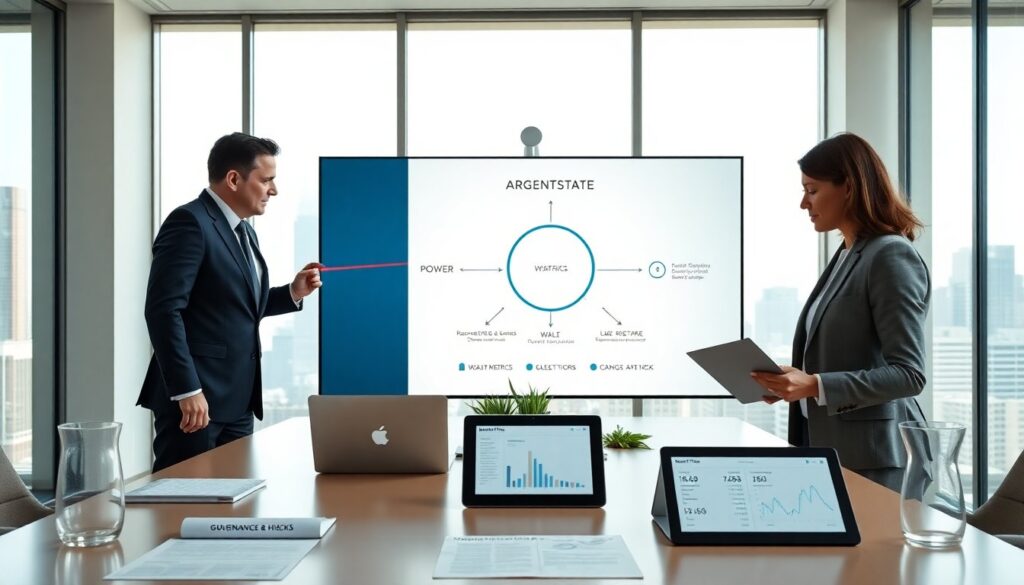
management insight argentstate power wealth pleasure appears as a core concern for modern leaders. The report frames clear links among power, wealth, and pleasure. It defines key terms and signals where leaders must act. The introduction sets scope and next steps. Readers gain a compact map to review metrics, team dynamics, and practical leadership habits.
Key Takeaways
- The ArgentState framework links power, wealth, and pleasure to leadership outcomes, emphasizing influence, resources, and motivation as critical factors.
- Leaders should assess organizational and personal wealth using clear metrics like cash flow, intellectual capital, and employee capability to guide strategic decisions.
- Understanding power dynamics within teams—including formal authority and informal influence—and ensuring ethical decision-making promotes trust and alignment with goals.
- Applying soft power tactics such as storytelling, recognition, and role modeling builds trust, fosters buy-in, and enhances team performance without coercion.
- Implementing governance safeguards like transparency, decision records, and whistleblower protections prevents power abuse and maintains long-term organizational value.
- Designing leadership approaches that prioritize pleasure through meaningful work, autonomy, and consistent rewards supports well-being and sustainable performance.
The ArgentState Framework: How Power, Wealth, And Pleasure Interact In Management
The ArgentState framework shows how power, wealth, and pleasure tie to outcomes. It treats power as influence that shapes choices. It treats wealth as resources and future value. It treats pleasure as motivation and well-being that sustain work. The framework maps positive and negative feedback loops. Leaders can trace how a shift in pay, status, or reward alters behavior. The model asks four simple questions: Who holds influence? What assets move value? What rewards drive effort? What checks stop harm? The framework guides focused change.
Assessing Organizational And Personal Wealth: Metrics, Mindsets, And Long-Term Value
ArgentState recommends clear measures for organizational wealth. It advises tracking cash flow, intellectual capital, customer lifetime value, and employee capability. It also advises tracking personal wealth in skills, reputation, and networks. Teams should collect yearly and rolling metrics. Leaders should convert soft signals into numbers when possible. The process reduces bias in choices about investment and pay. The assessment links to mindset. Leaders should shift from hoarding to stewarding resources. This shift improves reinvestment in people. It raises long-term value for the firm and for individuals.
Power Dynamics In Teams: Influence, Authority, And The Ethics Of Decision-Making
ArgentState frames team power as layered and transparent. It highlights formal authority and informal influence. It shows how each type changes decisions and morale. Leaders should map who speaks most, who decides, and who bears risk. They should test whether incentives align with shared goals. Ethics matter when choices affect vulnerable groups. The framework recommends simple rules: disclose conflicts, record major choices, and review outcomes against stated values. Leaders who act this way limit harm. They also keep teams focused on sustainable results.
Soft Power And Influence Tactics That Build Trust And Drive Results
Soft power works through credibility, competence, and consistency. Leaders build credibility by delivering small wins and by naming trade-offs. They show competence by sharing clear plans and by teaching others. They show consistency by applying rules evenly. Effective tactics include storytelling that links goals to daily tasks, recognition that names specific behaviors, and role modeling for difficult conversations. Teams respond when leaders show care and clear expectations. These tactics increase buy-in without coercion and they lift productivity and well-being.
Checks, Transparency, And Governance: Safeguards Against Abusive Power
ArgentState prescribes simple governance steps to check abuse. It recommends written decision records, rotating review panels, and whistle channels. It advises third-party audits for pay equity and for promotion fairness. It asks boards to require evidence before major resource moves. Transparency reduces rumor and corrects bias. Rotation and review prevent entrenchment. Whistle channels need clear protection and quick response. These safeguards keep power aligned with purpose. They preserve trust and protect long-term value.
Designing Pleasure-Informed Leadership: Motivation, Well-Being, And Sustainable Performance
ArgentState treats pleasure as a driver of sustainable effort. Pleasure includes recognition, autonomy, and meaningful work. Leaders should design tasks that let people use skill, see results, and receive timely feedback. They should avoid short-term perks that undermine trust. Small, regular rewards beat rare large bonuses for steady performance. Leaders should measure well-being with short surveys and with retention and output metrics. The data help leaders adjust workload, recognition, and role fit. This approach supports steady performance and lowers burnout.
Practical Tools To Integrate Pleasure Ethically Into Workflows And Rewards
ArgentState lists concrete tools to add pleasure without harm. It names micro-recognition systems that record peer praise. It lists task redesign templates that increase autonomy and clear outcome measures. It suggests variable reward mixes with base pay, small spot bonuses, and time-off options. It shows how to pilot changes with control groups and short feedback loops. It advises clear rules to avoid favoritism. It recommends linking rewards to team goals, not to opaque metrics. The tools help leaders align enjoyment with fair outcomes and long-term value.