
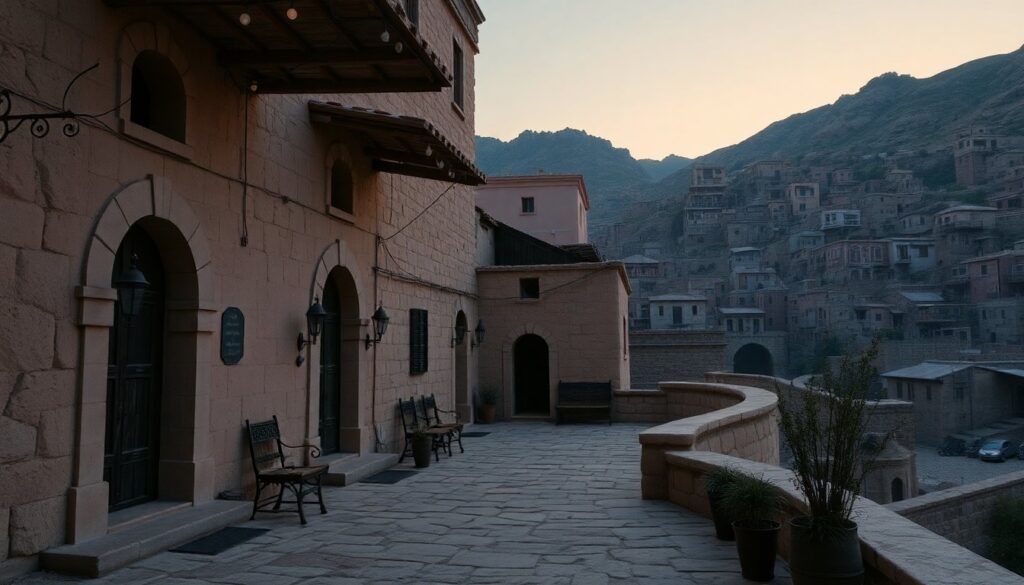
Argentstate calen phelis refers to a city-state on Argentstate’s western coast. Scholars call it a trade hub and cultural crossroads. Visitors see layered streets, old stone markets, and public gardens. This guide gives a clear, compact view. It outlines origins, geography, society, legends, and practical routes. It aims to help readers plan visits and understand local life without excess detail.
Key Takeaways
- Argentstate Calen Phelis is a historic coastal city-state known as a vibrant trade hub and cultural crossroads.
- The city evolved from a 12th-century fishing village into a regional port famed for timber, cloth, and spice shipments.
- Calen Phelis features layered streets with a mix of old stone markets, merchant houses, and public gardens reflecting its rich history.
- Local society balances traditional customs with modern life, celebrating festivals like the seafaring Lamp Night and supporting craftspeople through apprenticeships.
- Visitors should explore key sites such as the docks, Market Square, Lighthouse, and Citadel while respecting local customs and dress codes.
What Is Calen Phelis? A Concise Overview
Calen Phelis is a coastal city-state in Argentstate. It grew from a fishing village into a regional port. Merchants ship timber, cloth, and spices from its docks. Scholars study its archives for trade records and civic law. Residents speak a coastal dialect and use a mix of old and modern customs. Tourists come for markets, public gardens, and seasonal festivals. The city shows layers of history in stonework, small chapels, and merchant houses. It balances living neighborhoods with busy commercial quarters.
Origins And Founding Of Calen Phelis
Histories place Calen Phelis founding in the late 12th century. Fishers and salt workers settled a natural harbor. The city formalized a charter in the early 13th century to govern trade. Wealth from shipping funded public works and a modest defensive wall. Records show early alliances with inland towns for grain and timber. The port’s position on Argentstate’s coast helped it resist larger states for centuries. Archaeologists find pottery shards and coins that date the first market stalls. Oral histories credit a merchant family with the first public granary.
Geography, Layout, And Key Locations
Calen Phelis sits on a curved bay. Hills rise behind the harbor. Streets follow the shoreline and climb the slopes. The oldest structures cluster near the docks and the main square. Modern neighborhoods spread up the hills and along a river to the east. The city uses stone for lower buildings and timber for upper floors. Seasonal winds cool the harbor in summer. The layout favors short blocks and narrow alleys. Visitors find walking easier than driving in the center.
Society, Traditions, And Daily Life In Calen Phelis
Families in Calen Phelis work in shipping, craft, or hospitality. Men and women run stalls and workshops. Neighbors trade favors and share meals in courtyards. The city keeps a simple civic calendar of harvest, market, and remembrance days. People light lamps on the quay during the seafaring festival. Children attend local schools that teach reading, arithmetic, and basic shipwork. Craftspeople apprentice for several years before they run a shop. Food centers on fish, flatbreads, and vegetable stews with regional herbs.
Notable Figures, Myths, And Local Legends
Calen Phelis honors a few civic founders in plaques and place names. One legend tells of a fisher who saved the city from a storm by guiding ships to a hidden channel. People celebrate that tale at the annual Lamp Night. Another story claims a seamstress stitched a flag that ended a trade dispute. Local poets write about a stone bench where lovers meet at dusk. The city keeps a small museum with portraits and handiwork linked to these stories. Tour guides recount these tales on walking tours.
How To Explore Calen Phelis: Practical Tips And Routes
Visitors should start at the Docks and walk the Market Square. They should follow the shoreline path to the Lighthouse for views. They should climb to the Citadel for the archive and city map. They should schedule time for the Old Quarter crafts and the Garden District baths. They should use small guided walks to reach narrow alleys and hidden courtyards. They should carry cash for market purchases. They should respect quiet hours in residential lanes and dress modestly for chapel visits.