
investment argentstate tips help investors find clear steps to grow capital in 2026. The guide explains rules, common options, and basic risks. The guide shows practical moves investors can start today. The guide uses plain language and direct examples.
Key Takeaways
- Investment ArgentState tips emphasize understanding local rules, tax benefits, and broker fees to optimize returns.
- Start investing with a clear written plan outlining goals, savings targets, and rebalancing strategies.
- Use low-cost index funds and fixed-income bonds to diversify and stabilize your ArgentState portfolio.
- Manage risk by setting loss limits, diversifying assets, and planning clear exit strategies.
- Maintain an emergency fund and prioritize tax-advantaged accounts to protect and grow your investments.
- Regularly update your investment ArgentState plan and checklist to reflect changing rules and personal goals.
Understand ArgentState’s Investment Landscape And Rules
ArgentState sets rules that affect taxes, account types, and reporting. A local regulator enforces disclosure and limits on some foreign holdings. An investor should learn which accounts offer tax benefits. The investor should check residency rules and reporting thresholds.
An investor should study interest rates, inflation, and available bond options. ArgentState bonds can provide steady income. A stock market offers equity in local companies and in some global firms. A new investor should compare fees for brokers and funds. Fees reduce returns over time.
An investor must verify licensing for brokers. The investor should read the broker’s fee schedule. The investor should check if the broker offers local-currency and foreign-currency accounts. The investor should confirm deposit insurance rules. The investor should check how easy it is to move money in and out.
An investor should note currency risk. ArgentState’s currency moves can change portfolio value. The investor should consider hedging currency exposure for large foreign holdings. The investor should also check withholding tax on dividends and interest. The investor should learn which treaties affect tax withholding on foreign investments.
An investor should use one central checklist. The checklist should include account types, tax rules, broker licensing, fees, deposit insurance, and currency rules. The investor should update the checklist each year. The checklist helps avoid surprises and reduce cost.
Core Strategies To Start Investing In ArgentState Today
An investor should begin with a written plan. The plan should state goals, time horizon, and a target return. The plan should state a savings target per month. The plan should set simple rules for contributions and rebalancing.
An investor should use low-cost index funds for broad exposure. A local index fund can track ArgentState firms. A global index fund can balance local risk. The investor should favor funds with low expense ratios.
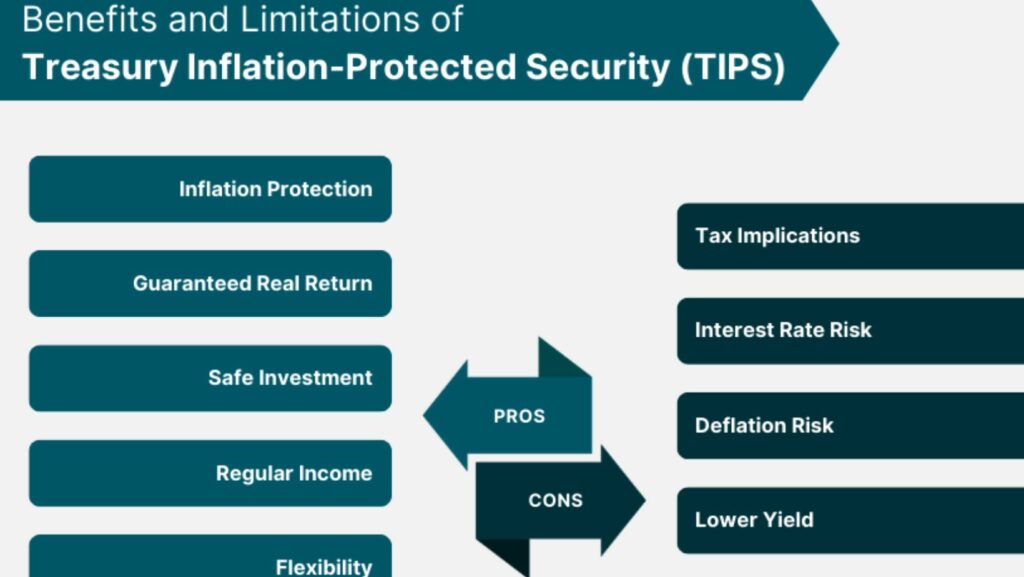
An investor should add fixed-income holdings for income and stability. Short-term government bonds can reduce volatility. The investor should ladder bond maturities to manage reinvestment risk. The investor should include inflation-protected bonds if inflation is high.
An investor should use dollar-cost averaging when markets feel uncertain. The investor should invest equal amounts at regular intervals. The investor should avoid trying to time short-term market moves. The investor should review performance quarterly and adjust only for major goal changes.
An investor should set aside an emergency fund in liquid assets. The investor should keep three to six months of living costs. The emergency fund prevents forced sales during market drops.
An investor should use tax-advantaged accounts first. The investor should claim any local tax credit for retirement savings. The investor should understand withdrawal rules for each account. The investor should plan withdrawals to minimize tax impact.
An investor should learn passive and active approaches. Passive funds track markets. Active managers try to beat the market. The investor should prefer passive funds unless an active manager shows consistent, verifiable outperformance after fees.
An investor should keep costs low. The investor should choose brokers and funds with clear fee structures. The investor should avoid frequent trading that raises taxes and commissions. The investor should focus on long-term compound growth.
An investor should study the main keyword when searching for help. They should read up on investment argentstate tips from multiple sources. They should compare advice against local rules. They should prefer sources that cite numbers and rules.
Risk Management, Portfolio Allocation, And Exit Planning
An investor should start risk management with clear limits. The investor should set a maximum loss they can accept for each position. The investor should use stop-loss orders when appropriate. The investor should size positions relative to total capital.
An investor should allocate across asset classes. The investor should split holdings among equities, bonds, and cash. The investor should tilt allocation by time horizon and risk tolerance. A younger investor can hold more equities. A near-retiree should favor bonds and cash.
An investor should diversify within each class. The investor should hold multiple sectors and regions. The investor should include both local and global exposure. The investor should avoid high concentration in a single stock or sector.
An investor should review correlation among holdings. The investor should add assets that behave differently in downturns. The investor should test scenarios for a large market drop. The investor should ensure the portfolio still meets goals after stress tests.
An investor should plan clear exit rules. The investor should state when to sell based on price targets or fundamentals. The investor should state non-price triggers, such as changes in business models or regulation. The investor should record reasons for each sale to remove emotion from decisions.
An investor should schedule regular rebalancing. The investor should rebalance when allocations drift beyond set bands. The investor should prefer rebalancing with new contributions to reduce tax events. The investor should document rebalancing rules in the plan.
An investor should monitor tax consequences of exits. The investor should time sales to manage tax brackets. The investor should harvest losses to offset gains when needed. The investor should consult a tax advisor before complex moves.
An investor should keep the main keyword visible in research. They should bookmark reputable pages that discuss investment argentstate tips. They should update the plan when rules or personal goals change. They should review the plan at least once a year.