
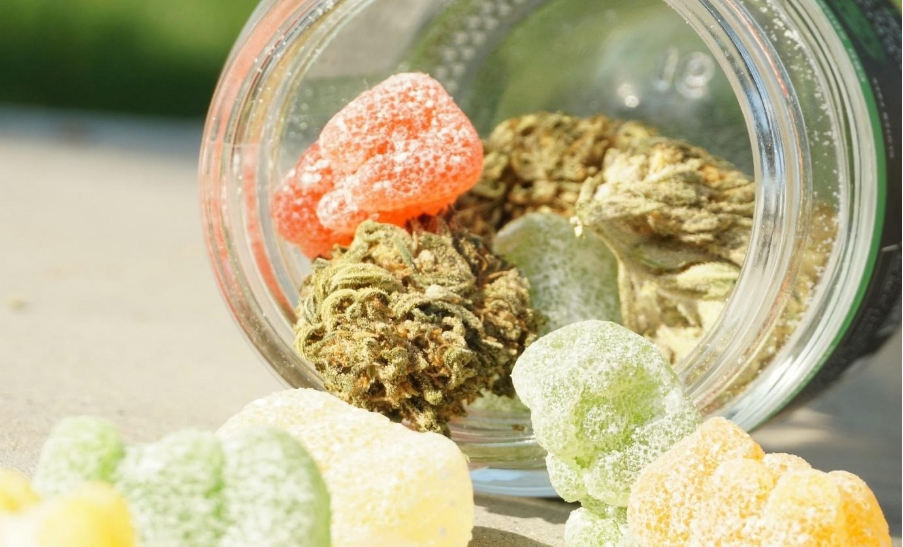
The Jolly Rancher strain gets attention for more than just its catchy name. The candy-like flavor, fruity aroma, and genetics that were clearly selected with purpose make Jolly Rancher a good pick for anyone who values the sensory side of cannabis as much as the potency. As the market keeps growing, flavor and smell are becoming bigger factors in how people judge flower, sometimes just as much as effects or THC levels.
What really sets Jolly Rancher apart is how it pulls together sweet, fruit-forward notes with a genuine aroma and a genetic background that lives up to the name. It is not just riding on a fun gimmick. It has the taste, smell, and lineage to back up its growing popularity among cannabis enthusiasts. Once you look at those qualities, it is obvious why Jolly Rancher keeps coming up when people talk about newer cannabis strains.
Here is a look at what makes the Jolly Rancher strain a unique choice when it comes to flavor, aroma, and genetics.
1. A Candy True Flavor Profile That Lives Up To Its Name
Strain names usually make promises that aren’t necessarily fulfilled, but in the case of the Jolly Rancher strain, the name is an accurate representation of the experience you’ll be getting. It has a sweet, fruity flavor with notes of berry, cherry, and citrus that emerge on the exhale. There is always a sour undertone to it to add complexity to the flavor of the candy strain.
The blend of sweet and sour elements contributes to its staying power in the memories of those who experienced it, given that most fruity strains tend to be very sweet, with little variation in flavor. While some strains of it might taste more like tropical fruits, others have more berry elements, they all maintain the characteristic candy strain flavor.
2. A Layered Multi Terpene Aroma
The fragrance has much more nuance than the name might indicate. It opens up with fruity and berry, and eventually ends up with something a bit earthy or even skunky, which makes it more complicated than strains based only on the sweet top notes.
Opening a jar will give you an immediate burst of the fruity aroma, but if you let it linger for some time, you will be able to discern another layer of aromas. This is exactly what distinguishes this strain with its terpenes and makes it different from the strains that smell like candy. The fact that the smell develops once you hold the cannabis in your hands is what many experienced consumers appreciate about it when they compare it to the other fruity strains.
3. Genetics Rooted In Flavor Focused Breeding
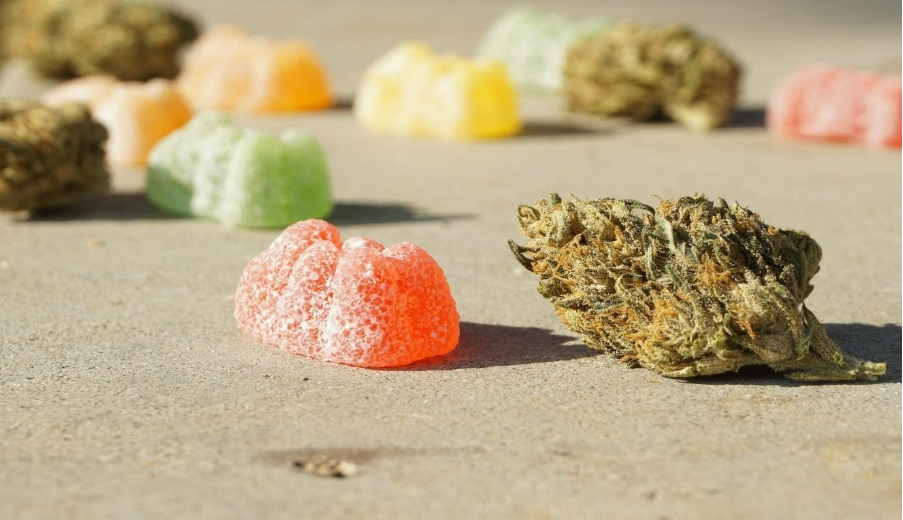
Genetics is where a lot of the flavor and aroma story actually begins. Reported parentage for this strain varies depending on the source, with some pointing to specific fruit and dessert-leaning crosses and others describing the lineage as unconfirmed or inconsistent across different cuts. What most accounts agree on is that the breeding clearly prioritized aromatic intensity and sensory appeal over any single trait like yield or bag weight.
That kind of flavour-first breeding approach is exactly why the strain reads as distinct rather than derivative, even in a market saturated with fruit-named hybrids that rarely deliver on their branding. Breeding decisions like this typically involve selecting phenotypes specifically for terpene expression during multiple growing cycles, favoring cuts that hold onto their aroma and flavor rather than simply chasing the highest possible yield. That selection process helps explain why well-grown examples of this strain tend to feel more intentional than incidental.
4. A Terpene Profile Built For both Scent and Experience
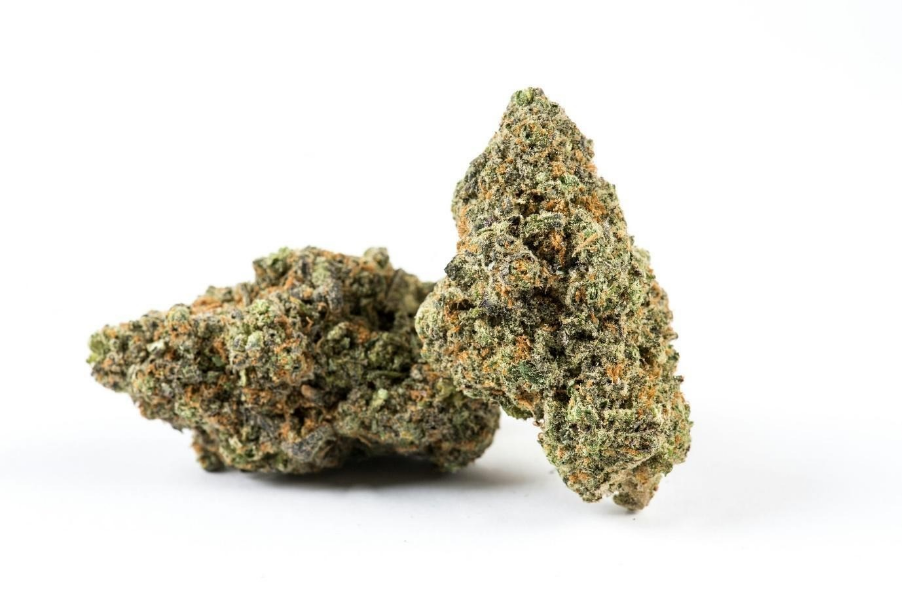
Terpenes are the compounds actually responsible for the smell and taste people notice first, and this strain tends to feature a mix that includes limonene, caryophyllene, myrcene, and occasionally pinene. Limonene contributes much of the citrus brightness, caryophyllene adds a subtle spice underneath the fruit, and myrcene rounds things out with a softer, more relaxed quality.
Terpenes do more than shape scent, since research increasingly suggests they interact with cannabinoids to influence how an overall experience feels. That interaction helps explain why this strain reads as more than just a pleasant smell, since the terpene blend appears to shape the broader sensory impression as well. Because terpene ratios can shift depending on growing conditions, curing time, and even storage, the exact balance of citrus, spice, and sweetness can vary somewhat between batches, though the core fruity identity generally remains consistent.
5. A Balanced Hybrid Driven Effect
Classifications differ slightly depending on the source, with some labeling it a roughly even hybrid and others describing a mild lean toward one side or the other. What tends to come through consistently in user accounts is a balanced feel, often described as clear-headed and even rather than heavy or sedating.
That middle ground makes it approachable for a wide range of consumers, since it avoids the extremes that can make some strains difficult to fit into an everyday routine. A flower that offers a steady, moderate experience rather than an unpredictable one tends to build a broader, more consistent following over time. This balanced quality is often cited as one of the more practical reasons the strain has stayed relevant, since it does not require the kind of careful timing or setting that more intense or one-sided strains often demand.
6. Versatility across Product Formats
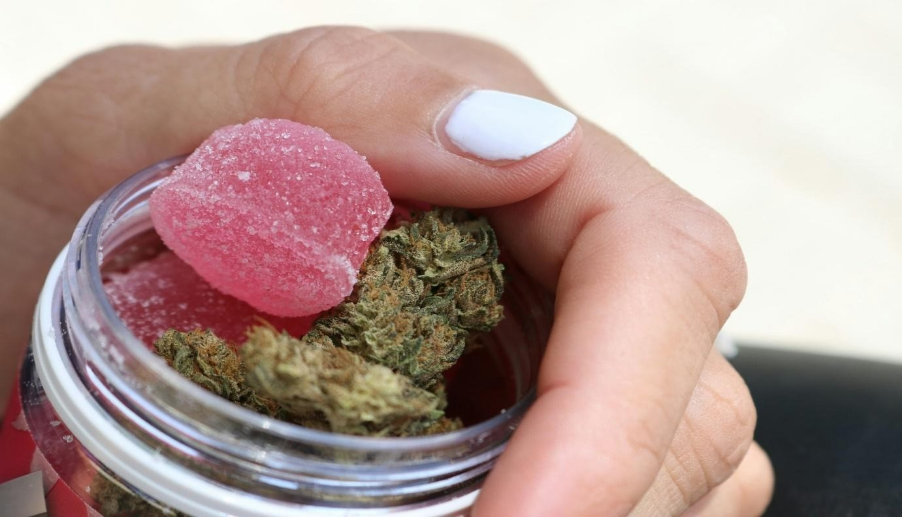
The value of a strain does not typically end with just dried flower and a terpene profile as bold as this one will generally carry over into other products. Whether in concentrates, pre-rolls, or infusions, the strain’s fruity complexity is still present, which explains why this strain has had longevity outside of a single product form.
This versatility is important for reasons beyond obvious ones, as strains with distinct terpene profiles can retain their profile during extraction processes better than those with weaker, less distinguishable terpenes. When a strain has been able to withstand the pressures and high temperatures involved with concentrate manufacturing, it is taken as an indication that the genetics of the strain are strong, as weaker strains will lose any trace of terpene profile when the flower becomes concentrate.
Final Thoughts
The distinguishing aspect of this strain comes from the way its natural taste, smell, and genetics come together naturally as opposed to being separate features. The sweet candy taste actually comes with a lot of natural terpene profile, and the genetics have been specifically selected for their taste.
It is very hard to duplicate that combination successfully, which is precisely why the Jolly Rancher strain has managed to carve out such a special niche for itself amongst fruity, candy-like strains of marijuana.