

Picture this: you’re living your best life, and suddenly, bam. A sharp pain in your side has you questioning every decision you’ve made about that third taco. Well, we’ve all been there. Today, we’re diving into pielolitiase, a condition that might sound like a character from a sci-fi movie but is surprisingly common. Let’s explore what it is, the causes that lead to it, the telltale symptoms, and how we can tackle it head-on. Ready for some enlightening information? Let’s jump in.
Pielolitiase
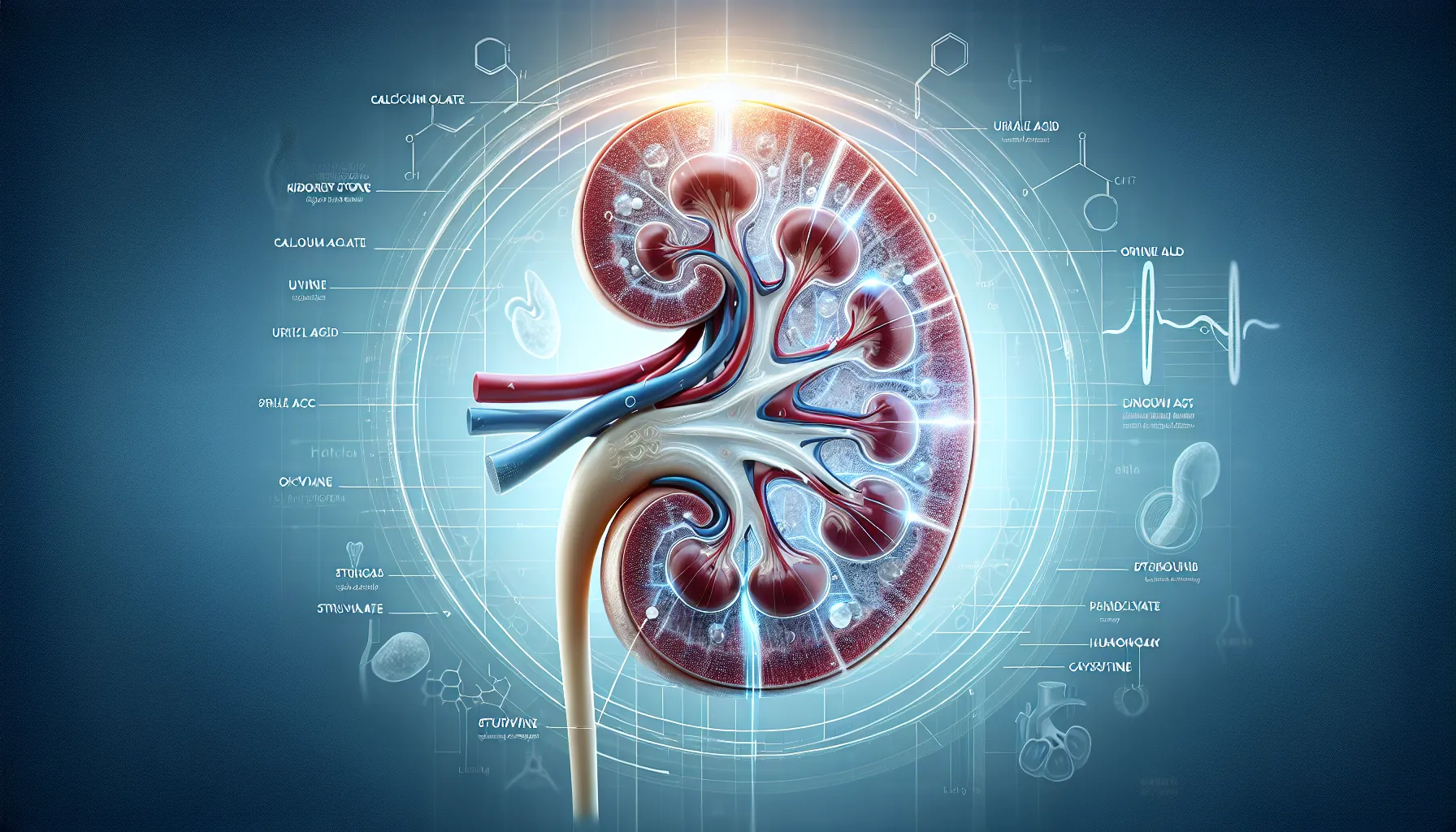
Pielolitiase, also known as renal lithiasis or kidney stones, refers to the formation of hard mineral deposits in our kidneys. These stones can vary in size: some may be small enough to pass unnoticed, while others can cause excruciating pain as they travel through the urinary tract. We liken them to those unwanted party crashers, showing up uninvited and making everything uncomfortable. Essentially, these stones develop when our urine becomes overly concentrated with minerals and salts, leading to crystallization.
Understanding pielolitiase starts with recognizing that these stones can be formed from various substances, calcium oxalate, uric acid, struvite, and cystine being the main culprits. Each type has its own set of characteristics and reasons for formation, so the journey to understanding pielolitiase is just beginning.
Causes and Risk Factors
Now that we have a basic grasp on what pielolitiase is, let’s dig into the causes and risk factors. Several factors contribute to the formation of kidney stones.
First, dehydration is a primary factor. When we fail to drink enough water, our urine becomes concentrated, leading to increased mineral crystallization. Also, our dietary choices play a huge role, a diet high in sodium, sugar, and animal proteins can boost our chances of developing these pesky stones.
Genetics don’t take a backseat either. If our family has a history of kidney stones, we might be more inclined to experience them ourselves. Conditions like obesity, diabetes, and hyperparathyroidism can also elevate our risk. In essence, pielolitiase is a multifaceted condition with many contributing elements.
Symptoms of Pielolitiase
So, how do we know if we’re dealing with pielolitiase? The symptoms can vary, but some common signs we may experience include:
- Sharp pains: Often localized in the back or side, these can be quite severe, especially when the stone is moving.
- Blood in urine: A telltale sign that shouldn’t be ignored.
- Frequent urination: A feeling of urgency with little output can also indicate an issue.
- Nausea and vomiting: These can accompany the pain, making it a double whammy.
We should always stay attuned to our bodies. If we notice these symptoms, it’s a clear signal that we need to seek medical advice.
Diagnosis and Imaging Techniques

Diagnosis of pielolitiase typically involves a few key steps. Initially, our healthcare providers may perform a physical exam followed by a series of questions about our medical history and dietary habits. They might even ask about our family history because, as we’ve seen, genetics can be a significant factor.
To confirm their suspicions, imaging techniques come into play. Ultrasounds and CT scans are commonly used to visualize the stones. These non-invasive methods allow us to see the size and location of the stones, which helps determine the most appropriate treatment route.
Sometimes, urine tests may also be conducted to analyze the chemical composition of our urine. This can aid in identifying what type of stones we’re dealing with, guiding our future prevention strategies.
Treatment Options for Pielolitiase
When it comes to treating pielolitiase, our approach can vary based on the size of the stones and the severity of our symptoms. For smaller stones, increased hydration and pain management can often suffice. We can take over-the-counter medications or work with our healthcare provider for stronger prescriptions if needed.
For larger stones, medical intervention may be necessary. Options like shock wave lithotripsy, which uses sound waves to break up stones, are popular. In more severe cases, surgical procedures may be required, though these are typically the last resort.
Prevention and Lifestyle Changes
Preventing pielolitiase is within our grasp by making some thoughtful lifestyle choices. Staying hydrated is crucial, aim for at least eight glasses of water a day. We also recommend adjusting our diets by reducing salt intake and moderating animal protein consumption. Incorporating more fruits and vegetables is another winning strategy.
Regular exercise plays an essential role too. Not only does it help us maintain a healthy weight, but it also contributes to our overall well-being. Small lifestyle changes can significantly lower our risk of developing kidney stones, keeping our bodies happier and healthier.