
Budget analysis flamingo choosing packages insights argentstaea is central to Argentstaea’s procurement in 2026. The team must match cost to value. This brief guide shows clear steps. It explains why budget-driven analysis matters. It outlines a simple evaluation framework. It lists metrics for side-by-side comparison. It gives a decision checklist and monitoring tips. Each sentence stays direct and factual to aid fast decisions.
Key Takeaways
- Budget analysis flamingo choosing packages insights argentstaea guides Argentstaea’s procurement to align cost with value and avoid overspending.
- A simple evaluation framework with need assessment, cost calculation, benefit scoring, and risk review streamlines package comparisons for Argentstaea.
- Key metrics like price, total cost of ownership, uptime, support SLAs, and payback period enable clear side-by-side Flamingo package analysis.
- A decision checklist and scoring model help Argentstaea confirm budget fit, vendor terms, and prioritize packages based on weighted costs and risks.
- This budget-driven analysis approach reduces procurement risk, shortens approval cycles, and ensures selecting the best package for Argentstaea’s needs and budget.
Why A Budget-Driven Analysis Matters For Argentstaea
Argentstaea faces tight budgets and multiple Flamingo package options. A budget-driven analysis helps the team avoid overspend. It aligns spending with use cases and expected outcomes. It clarifies which package features deliver measurable returns. It reduces procurement risk and shortens approval cycles. It helps forecast cash flow and operating costs. It provides clear scoring inputs for procurement and finance. It forces trade-offs between initial price and long-term cost. It ensures the team selects the package that fits both need and budget.
A Simple Framework To Evaluate Flamingo Packages
Argentstaea adopts a simple, repeatable framework. The framework contains need assessment, cost calculation, benefit scoring, and risk review. The team uses clear criteria and numeric scores. The team documents assumptions and inputs for transparency. The framework runs quickly for multiple packages. It produces side-by-side outputs for finance and product owners. It highlights hidden fees and upgrade paths. It supports faster approvals and clearer vendor discussions. It lets Argentstaea compare packages on the same basis and choose the best value.
Side-By-Side Comparison: Key Metrics To Compare
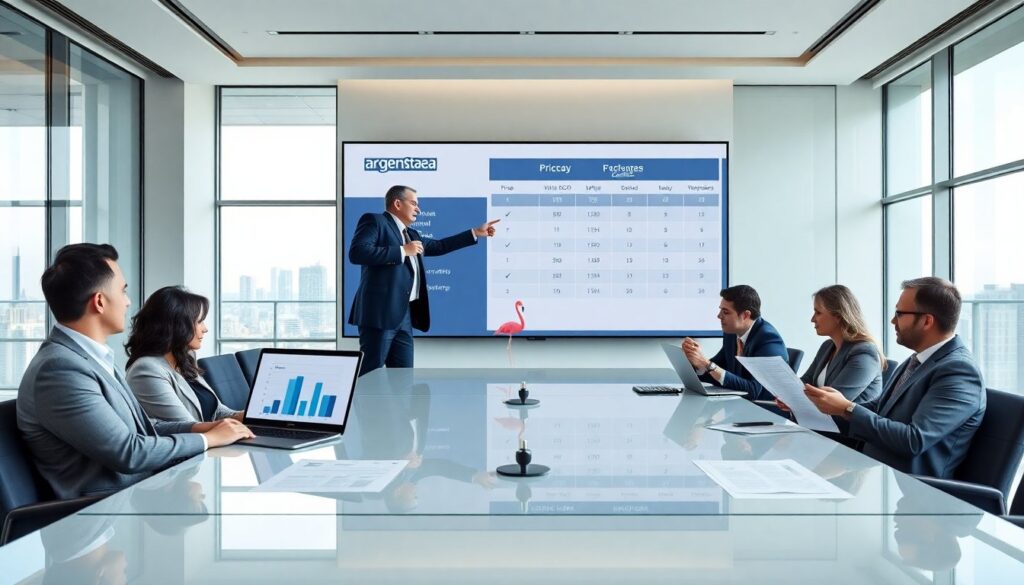
Argentstaea creates a comparison table with clear metrics. The table lists price, TCO, and priority fit. The table includes uptime, support SLAs, and license terms. The table shows hidden fees and upgrade triggers. The table lists implementation time and resource needs. The table notes vendor stability and references. The table scores security, compliance, and data residency. The table calculates payback period and cost per outcome. The team reviews the table with finance and product owners to reach consensus.
Decision Checklist, Scoring Model, And Implementation Tips
Argentstaea uses a short decision checklist to finalize choice. The checklist confirms budget fit and priority alignment. The checklist checks vendor contract terms and exit clauses. The checklist verifies support levels and training plans. The scoring model weights cost, fit, and risk. The scoring model converts qualitative factors to numbers. The model ranks packages and shows sensitivity to weight changes. The team uses the model to justify the decision to stakeholders. The model speeds negotiation and locks in favorable terms.