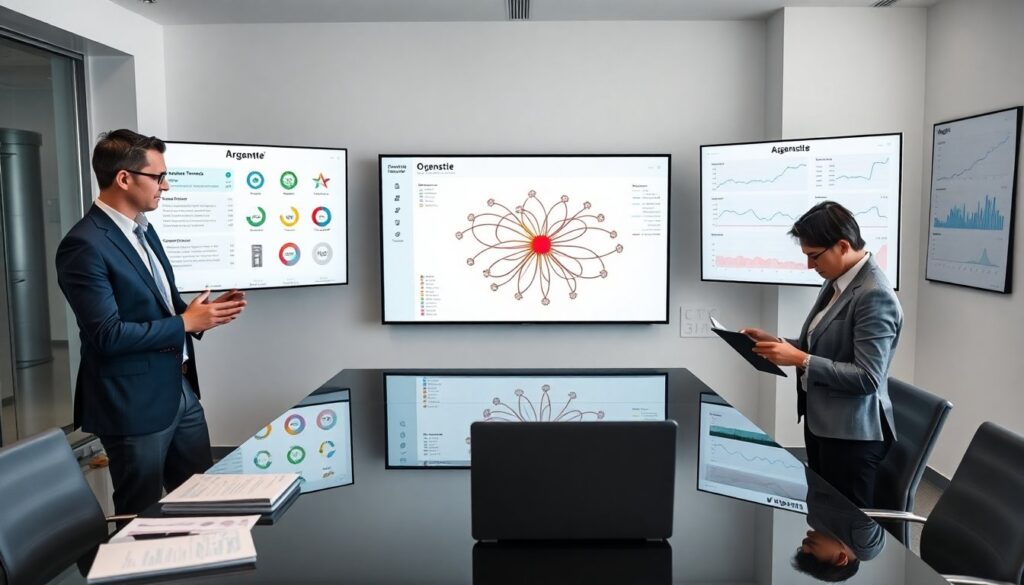

Modular technology and connected systems enable the company to support the development of new features and the ongoing enhancement of existing products. Soft2Bet’s digital product development combines innovation with platform architecture, data tools, interfaces, and service functions. Innovation becomes part of the routine technical work, and both the individual components and the digital services can evolve while remaining connected within a common platform structure.
Innovation as Part of Digital Product Development
Innovation in digital products is closely connected with the way technology changes business processes and service expectations. A platform must adapt when functions, data flows, and interfaces support different activities. Product work therefore combines technical planning with regular updates and review.
Soft2Bet develops products within a technology–focused environment where account management, CMS, CRM, and analytics functions can operate through connected systems. Product innovation is not limited to one visible feature. It can also involve changes in data processing, integration logic, mobile functions, or interface structure.
The innovation approach of Soft2Bet is based on gradual product development rather than isolated changes. New functions can be added to existing services. A modular structure supports this process because separate components can be developed without rebuilding the whole system each time. This makes innovation part of regular product work.
Soft2Bet and the Creation of New Features
New functions usually begin with a product idea linked to a practical need. Soft2Bet can develop new capabilities through an API–first and modular platform structure. APIs make it possible for separate services to exchange information while modular components allow individual functions to be changed or expanded. This supports a product process in which new features can be introduced without changing every part of the wider platform.
The main stages of feature development can include:
This structure also gives the company room to develop different product areas. A change in CMS tools, for example, can be handled separately from account management or analytics functions. The same principle helps technical teams organize development work around clear components and interfaces.
Product Development and Continuous Improvement
Product development does not end when a function is released. Digital services require continued review because technical conditions and operational tasks can change. The development cycle includes adjustment after launch as well as new functions.
Soft2Bet supports ongoing improvement through a platform that includes configurable tools, real–time analytics, customizable dashboards, and separate management functions. These elements show how service parts operate.
Optimization may concern navigation, content structure, account functions, or data access. Soft2Bet can also use testing to compare different layouts and journeys within supported product tools. Testing helps to check whether a change works as expected in practice before it becomes a wider part of the product.
The same process can apply to technical performance. A service may need better resource use, clearer data exchange, or a more direct connection between components. Continuous development therefore combines product design with infrastructure work and technical review.
Technology in Soft2Bet Product Solutions
Technology provides the foundation for product functions because every digital service depends on infrastructure, code, data exchange, and system connections. Soft2Bet uses an API–first, modular approach with microservice–based components and cloud–oriented deployment. These elements allow separate technical services to work together while remaining manageable as individual parts.
Modern development tools also support more flexible product work. Centralized data functions and real–time dashboards provide access to information that can be used during development and optimization.
This technical base supports several types of product work. Soft2Bet can connect account management, CMS, CRM, and analytics functions through a shared platform structure. Because these services are not treated as one single technical block, changes can be organized around the component that actually needs development.
Digital infrastructure also affects how quickly a new function can move from concept to testing. Reusable components, defined APIs and established service connections reduce the need to create every technical element from the beginning. The result is a development environment where new functions can be built on an existing platform base.
The Innovative Product Approach of Soft2Bet
Innovation has a strategic role when it becomes part of regular product planning. It is not only the introduction of new functions but also the ability to improve how current services work, how technical components connect, and how data can support product decisions. Soft2Bet applies this idea through continuous development across platform functions and digital services.
The company’s product structure supports this approach by combining modular architecture with connected management and analytics tools. Soft2Bet can therefore develop new functions while continuing to work on existing services. This creates continuity between product ideas, technical implementation, testing, and later optimization.
Technology also influences the direction of service development. Mobile interfaces, API connections, real–time analytics, customizable dashboards, content tools, and account management functions can all become areas for further product work. Soft2Bet can use these technical elements to drive continuous improvements.